May 16, 2012

Creeping through the back door: how zero-calorie sodas can make you fatter than regular soda

We don’t need to go there, right?

You know about our obesity epidemic, and how adolescents in particular suck down soda by the near-gallon, which contributes to insulin resistance and many other weight-related health problems.

A study in JAMA, for instance, concluded that women who consume sugar-sweetened drinks (including fruit juices) had increased weight gain and risk for type 2 diabetes, thanks to the massive calories and sugars.

Likewise, a study in the journal Hypertension showed that for every extra sugar-sweetened beverage you drink, you significantly raise your blood pressure. Excess sugar and calories provide one culprit, but let’s face it: people who drink soda every day aren’t exactly eating clean protein and leafy green vegetables with their Mountain Dew or burst training to blast fat.

I’ve yet to discover a study that mentions any health benefits from drinking soda. Most are surprisingly grim. They show, for instance, that phosphoric acid leeches precious minerals from your bones, that you’re more likely to indulge in that sticky taffy pudding thanks to the soda’s overly sweet taste, and (despite a few pathetic attempts to add vitamins) soda offers absolutely no nutrients.

A 12-ounce soda packs about 140 calories. But get real: long gone are the quaint days of tiny glass Coke bottles with real table sugar. Today people consume high-fructose corn syrup, 64-ounce Big Gulps throughout the day, soda machines still populate elementary schools, and many chain restaurants provide complimentary soda refills.

And wipe off that halo effect with the diet sodas. I see people become holier-than-thou about sugar-saturated sodas and then later pop open a can of Diet Coke. Artificial sweeteners trick your taste buds into craving sweet things instead of feeling satisfied with the natural sweetness of, say, fresh blueberries.

Think diet soda keeps you thin or help create fast fat loss? Guess again. A study at the University of Texas made some shocking discoveries. Researchers found people who drink just one diet soda were 65% more likely to be overweight, that two or more diet sodas raised your odds of becoming obese, and – are you ready for this – people who drank diet soda had a greater chance of becoming overweight than regular soda drinkers.

How could those zero-calorie sodas add up around your waistline? One reason involves mental trickery as you “make up” the calories you save on less-than-healthy foods. For instance, say you switched from regular Coke to diet soda, and you pop four cans a day. You saved over 600 calories, which could “buy” you a Starbucks low-fat apple cinnamon muffin, right? Those calories creep back in the back door.

A more recent study, also at the University of Texas, found that diet soda increases your risk for diabetes and obesity. Waistlines of diet soda drinkers increased 500% over 10 years compared to non-diet soda drinkers. Again, you could attribute these gains to the halo effect. (Also check out my article “How zero-calorie diet sodas can add up around your waistline”: http://jjvirgin.com/1766/how-zero-calorie-diet-sodas-can-add-up-around-your-waistline/)

Are you getting my point with these studies? Nothing good comes from drinking soda, diet or not.

Kicking the canned sodas can be brutal. If you can’t imagine getting through your day with at least three Diet Cokes, here’s a simple technique I’ve found incredibly successful to soda addicts. Dissolve a packet of EmergenC in seltzer or sparkling water. The carbonation gives you a soda-like texture and satisfies your addiction without the calories, artificial sweeteners, and sugar. Before long, you’ll wonder how you could ever suck down those nasty, health-robbing Diet Cokes.

Sources:

Brown IJ, et al. Sugar-Sweetened Beverage, Sugar Intake of Individuals, and Their Blood Pressure. Hypertension. 2011; 57: 695-701

Schulze MB, et al. Sugar-sweetened beverages, weight gain, and incidence of type 2 diabetes in young and middle-aged women. JAMA. 2004 Aug 25;292(8):927-34.

http://www.webmd.com/diet/news/20050613/drink-more-diet-soda-gain-more-weight

http://healthland.time.com/2011/06/29/studies-why-diet-sodas-are-no-boon-to-dieters/

Will loading up on fruit-on-the-bottom yogurt trigger fast fat loss?

A study in the journal Obesity Research might make you think low-fat milk, fat-free Haagen Dazs, and other calcium-rich dairy products can provide that frustratingly elusive key to fast fat loss.

The 24-week study divided 32 obese people into one of three reduced-calorie diets:

  1. Low dairy
  2. High dairy
  3. Low dairy plus a calcium supplement

The low dairy group didn’t do so well: they only lost about 2.5% of their excess body fat.

The high-dairy group, on the other hand, lost almost three times more weight than the dairy/ calcium group (70% vs. 26% of excess body fat).

Michael Zemel and his colleagues who conducted this study (which was, by the way, heavily financially funded by the dairy industry) concluded both a high-calcium diet and high-dairy diet help you burn more fat, and that dairy products significantly increased fast fat loss.

But not so fast.

This study had a few major flaws. For one, Zemel failed to account for participants’ other dietary factors. For instance, how much fiber did they get? Did they eat a reduced-calorie diet as lean protein and non-starchy veggies? These and countless other things besides dairy could attribute to that fast fat loss. In other words, let’s not be so quick to jump on the largely hyped dairy bandwagon.

Two, each of the groups had just 10 – 11 participants. That’s a large enough sample size to constitute a study, but hardly large enough people to resoundingly endorse dairy for everyone. What about people with lactose intolerance, for instance, or delayed food sensitivities?

That leads me to my bigger-picture point. Despite the dairy industry’s ruthless advertising, milk isn’t your only or best source of calcium. I recommend you dump the cow’s milk. Lactose intolerance, dairy sensitivities, and increased risk for ovarian cancer are three reasons I’m not a fan of the Got Milk campaign.

As I mentioned above, dairy is one of many food sensitivities. Symptoms are often delayed – hours or even days after you consume dairy – and include headaches, fatigue, and bloating.

If you’ve completed an IGG test or food elimination diet, and dairy wasn’t a reactive food, you can incorporate small amounts of high-quality whey and unsweetened Greek yogurt into your diet. Goat cheese also makes a smart alternative to cow’s milk cheeses.

Most likely the protein and good fats in dairy promoted fast fat loss in Zemel’s study. Protein keeps you satiated, for instance, and CLA – a fatty acid in dairy – inhibits fat storage and helps build muscle.

Keep in mind, though, that you can get high-quality protein and good fats from grass-fed beef, wild salmon and other cold-water fish, and organic poultry.

If you’re eating dairy for calcium, I want you to know other high-quality sources of this mineral. A cup of cooked broccoli rabe, for instance, offers over half your RDA for calcium. Other excellent veggie sources include collard greens, kale, and spinach. Remember to eat these green leafy veggies with some healthy fat so your body absorbs the bone-healthy vitamins D and K.

Make lots of green leafy veggies and other foods your primary calcium source, and then supplement. In general, minerals absorb poorly. That means, depending on the form you take, you might absorb 5 – 40% of your calcium supplement.

If you’re eating sufficient dietary calcium, you don’t need to overload with supplements. I suggest around 500 – 1000 mg a day. Calcium Citramate and Calcium Citrate, both from Thorne Research, provide highly absorbable amounts of calcium.

Besides the calcium, fruits, vegetables and green drinks also alkalinize your Ph and reduce the dairy’s acid load. When you eat acidic foods, your body must draw calcium from your bones to buffer Ph back to normal. In other words, the same dairy products you eat to get calcium could be simultaneously leeching calcium from your bones!

Lean protein, non-starchy veggies, nuts and seeds, and good fats give you all the fat-burning, calcium-boosting benefits of dairy without its potential reactions.

Sources:

Zemel MB, et al. Calcium and dairy acceleration of weight and fat loss during energy restriction in obese adults. Obes Res. 2004 Apr;12(4):582-90.

© 2011 JJ Virgin & Associates, Inc. Celebrity Nutrition & Fitness Expert JJ Virgin helps clients lose weight fast by breaking free from food allergies.  She is the bestselling author of Six Weeks to Sleeveless and Sexy, a Huffington Post blogger, creator of the 4X4 Burst Training Workout & co-star of TLC’s Freaky Eaters. Visit her at http://www.jjvirgin.com to take the quiz & find out if Your “Healthy” Habits are Making You Tired, Bloated & Age Faster? 


Burst to blast fat and turn back your real age 20 years

Let’s clear the bad news first. Past studies show that after 40, you lose at least 8% of your muscle mass every decade. After 70, that loss becomes even more dramatic. Even grimmer, your muscle tissue that does stick around becomes filled with fat and further reduces muscle strength.

A few new studies, however, show that aging doesn’t automatically mean you lose muscle, but only if you maintain it.

A study in the journal The Physician and Sportsmedicine, for instance, looked at 40 middle-aged competitive runners, cyclists, and swimmers. These men and women trained at least four times a week and frequently competed. In other words, they weren’t the type to spend weekends eating Entenmann’s cheese Danish on the couch while watching Law and Order reruns.

Researchers found the older (70s and 80s) athletes retained almost the same thigh muscle mass as their younger counterparts and possessed nearly the strength of athletes two decades younger. Even better, they had little if any fatty buildup in their muscle tissue.

The study concluded that while researchers normally attribute physical decline to age, inactivity proves the real culprit.

Another recent study that looked at muscle tissue in older people similarly concluded older competitive runners possessed similar muscle strength as 25-year-old runners.

“[I]t looks as if how we age can be under our control,” says Dr. Vonda Wright, an orthopedic surgeon and founder of the Performance and Research Initiative for Masters Athletes at the University of Pittsburgh Medical Center. “Through exercise, you can preserve muscle mass and strength and avoid the decline from vitality to frailty.”

It’s not just your muscles that benefit from exercise. A recent study in the journal Neurology, for example, concluded that older people who regularly engage in moderate to intense exercise have a 40% lower risk of having strokes, dementia, and mobility problems.

If I’ve lost you with these studies, here’s the take home. Dr. Todd LePine and other anti-aging experts say that no matter what your age, getting off your butt and engaging in challenging physical activity can prevent muscle loss, boost brainpower, and help you live longer.

Note these studies mention moderate to intense exercise. Walking 30 minutes a few times every week or watching The View on an elliptical machine at your gym aren’t going to give you those anti-aging benefits.

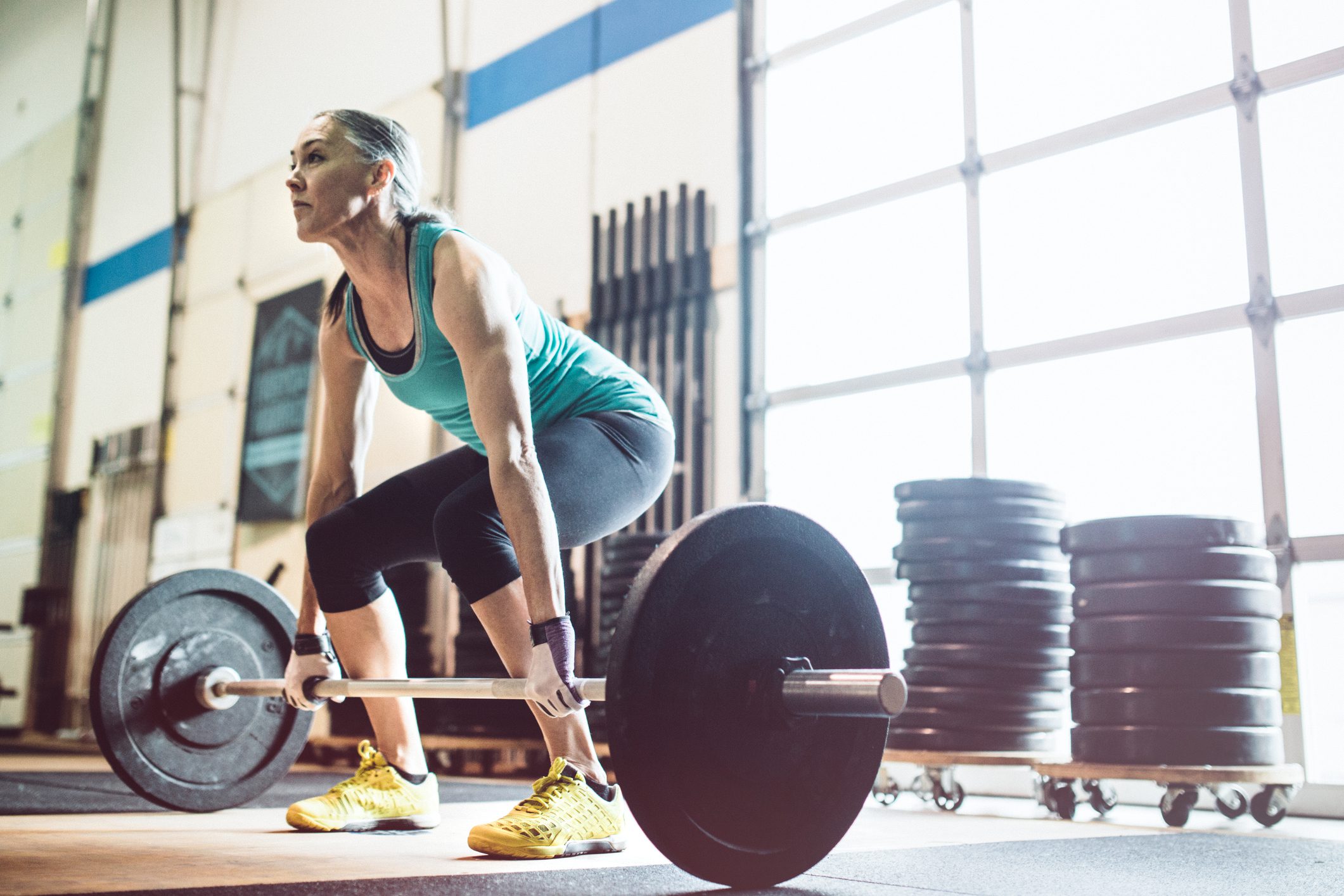
To sustain muscle and vitality as you get older, you need to combine burst-style cardio with weight resistance. Ladies, don’t let weights scare you. You’re not going to get Madonna’s biceps or become a bodybuilder without an almost slavish devotion to lifting, so put down the wimpy pink free weights for the heaviest weight you can lift in good form.

That time excuse isn’t going to work either. You can combine the Xiser with free weights, for instance, to get high-intensity burst training in just four minutes. A study in Exercise and Sport Science Reviews, for instance, showed that just 15 minutes of burst training over two weeks improved your fat-burning muscle metabolism.

My 4 x 4 workouts also combine weight resistance with high-intensity cardio in just 15 minutes. You can do both routines in your own home, so dump that expensive gym-membership excuse.

The best exercise isn’t going to provide anti-aging benefits if you don’t combine it with the right foods. Lean protein, leafy green vegetables, high-fiber starches, and good fats feed your muscles, boost cognition, and help burn fat.

You might lose your keys more often, but combining the right diet and exercise means you don’t have to lose your muscle tone or memory as you age.

Sources:

Gibala MJ, et al. Metabolic adaptations to short-term high-intensity interval training: a little pain for a lot of gain? Exerc Sport Sci Rev. 2008 Apr;36(2):58-63.

Power GA, et al. Motor unit number estimates in masters runners: use it or lose it? Med Sci Sports Exerc. 2010 Sep;42(9):1644-50.

Willy JZ, et al. Lower prevalence of silent brain infarcts in the physically active: the Northern Manhattan Study. Neurology. 2011 Jun 14;76(24):2112-8.

Wroblewski AP, et al. Chronic exercise preserves lean muscle mass in masters athletes. Phys Sportsmed. 2011 Oct;39(3):172-8.

© 2011 JJ Virgin & Associates, Inc. Celebrity Nutrition & Fitness Expert JJ Virgin helps clients lose weight fast by breaking free from food allergies.  She is the bestselling author of Six Weeks to Sleeveless and Sexy, a Huffington Post blogger, creator of the 4X4 Burst Training Workout & co-star of TLC’s Freaky Eaters. Visit her at http://www.jjvirgin.com to take the quiz & find out if Your “Healthy” Habits are Making You Tired, Bloated & Age Faster?

Don’t allow the enemy at your dinner table: 7 strategies for defensive dining (and respecting yourself in the morning)

Your friends rave about the freshly baked baguette, the carb-laden entrée selections mostly come from the pasta family, and the pastry chef is known for his world-famous tiramisu.

Sounds like a one-track fast fat loss disaster, right?

Stop using gourmet restaurants as an excuse to abandon every last iota of dietary common sense. Next time you dine out with friends, employ these seven tactics and you’ll keep your self-respect and calories in check even if everyone else at the table seems doomed to carb purgatory.

  1.  Get ideas, not absolutes, from the menu.  You get upset when your boss dictates duties to you, so why do you let your menu decide what you’ll eat? Use your menu as a guide, not an ultimatum about how you should enjoy your dinner. Even if they charge a few bucks extra, many restaurants happily accommodate substitutions if you’re polite about asking. (And if they don’t, cross that restaurant off your list for future excursions.)

  2. Ignorance is not bliss.  So neither your menu nor your server explicitly told you the Asian chicken salad would come drenched in creamy, sugary peanut vinaigrette.  Better to not make a scene and politely eat it, right? Here’s the deal. You take full responsibility for every morsel that enters your mouth. And trust me, you’re going to be cursing yourself, not your server, when the scales inch up tomorrow morning. Own up for mistakes and politely request a replacement salad with olive oil.

  1. Beware of these red flags. Words like crispy, flakey, glazed, creamy, and crunchy signal hidden sugars and damaged fats that seriously stall fast fat loss. Even if that menu doesn’t indicate the layered chicken dish comes breaded, it pays to ask your server to avoid a less-than-pleasant surprise.

  2. Skip the starch and double veggies. Let’s say your wild salmon comes with sautéed broccoli and a loaded baked potato. Swap the starch for another green veggie. You’ll knock down the calories but seriously up your nutrients and fiber. A few starchy exceptions include lentils, sweet potatoes, and quinoa. Otherwise, stick with leafy green vegetables.

  3. Take half home for tomorrow. Whether you’re eating at Cheesecake Factory or your neighborhood bistro, chances are your entrée will include several adult-sized portions that would realistically feed your whole family. Before you dive in, ask your server for a to-go box and load half for lunch tomorrow. You’ll lighten your waistline and your credit card bill. Even if you’ve got to devour those delicious Brussels sprouts, you can cut the protein in half and top tomorrow’s lunch salad.

  4. Banish the enemy. Nothing creates pre-meal carb fiascos faster than hot, fluffy baguette with cinnamon-honey butter. Step away from the breadbasket and stop kidding yourself you’ll have just one bite. If your dining companions insist the basket stays, save the looks of judgment and ask for some olives to tide you over as they stuff themselves into a carb/ gluten coma.

  5. Employ the 3 Bite Rule. You enjoyed a nice spinach salad with olive oil, bypassed the caramelized onion focaccia, and patiently asserted yourself with the chicken entrée. Don’t undo your good work by recklessly diving into the crème brulee. Intelligently indulge without deprivation: enjoy three polite bites and ask your waiter to remove the fork. Someone at the table will have no problem finishing it, and you’ll respect yourself in the morning.

© 2011 JJ Virgin & Associates, Inc. Celebrity Nutrition & Fitness Expert JJ Virgin helps clients lose weight fast by breaking free from food allergies.  She is the bestselling author of Six Weeks to Sleeveless and Sexy, a Huffington Post blogger, creator of the 4X4 Burst Training Workout & co-star of TLC’s Freaky Eaters. Visit her at http://www.jjvirgin.com to take the quiz & find out if Your “Healthy” Habits are Making You Tired, Bloated & Age Faster?

7 strategies to guarantee you’ll fail at fast fat loss

1. Neglect planning. If you don’t schedule your burst training on your iCal, it’s
probably not going to happen, considering mid-afternoon craziness usually usurps any
semblance of your fitness routine. Same thing with dinner: if you don’t pre-prep and
have a general idea what will on your family’s plates tonight, chances are you’ll succumb
to your kids’ McBurgers plea. Being lean and sexy doesn’t just happen. You need to plan
ahead and make it happen.
2. Don’t write it down. So you’re too busy to journal your meals? Sorry to be the
Debbie downer, but you’re just setting yourself up for failure. A study in the American
Journal of Preventive Medicine found that people who wrote down every forkful they ate
lost twice as much weight as those who didn’t. If you want to take this to the next level
and guarantee you’ll burn fat and stay lean for good, hire a coach who’ll hold you
accountable.
3. Don’t measure. You can’t know where you’re going if you don’t know where you
started. Buy a Tanita scale to measure and record your weight, body fat percentage, and
waist measurements from day one to monitor your progress. Keeping track of those
numbers provides huge motivation. And when you’re not happy with the numbers, you
can cross-reference with your food journal for any potential dietary slips or misfires.
4. Go it alone. Maybe your personal trainer lovingly kicks your butt when you slip off
the rails. Or you know your nutritionist scrutinizes everything you eat, so you stay on
course. Even if it’s just a good friend who genuinely wants your success, don’t attempt
fast fat loss alone. A huge reason people in Weight Watchers and other programs
succeed involves group support. Even an online support community will keep you on
track and accountable for your success.
5. Let the hijackers succeed. Your vegan coworker constantly warns you about the
dangers of eating too much protein and your mom lays a guilt trip when you refuse her
caramel apple pie a la mode. Even with the best of intentions, some people in your life
will try to derail your success. You need to be crystal-clear from the beginning about
your purpose, set inspiring goals, continually visualize them, and manage your success.
Don’t let the negativity dominate, and if you feel like someone’s intentionally trying to
sabotage your success, call ‘em out on it.
6. Ignore the basics. Every plan contains a blueprint to provide the nuts and bolts
that help your success. For instance, my Fast Track program contains golden rules of balanced
eating and exercise. You might be tempted to skip to the more advanced parts of the program,
but that would be like learning how to ride a bike without training wheels: at some point, you’re
going to get tripped up and fall. Start with the foundation and build from there.
7. Ignore what’s creating your resistance. If you’re sticking with the basics, you
 should consistently lose one to three pounds of fat every week. Not happening? A
number of problems could be hijacking your fast fat loss. You need to get to the root of
your weight loss resistance.
Sources:
http://abcnews.go.com/Health/Healthday/story?id=5331338&page=1#.Ttqcn818CAY
© 2011 JJ Virgin & Associates, Inc. Celebrity Nutrition & Fitness Expert JJ Virgin helps
clients lose weight fast by breaking free from food allergies.  She is the bestselling
author of Six Weeks to Sleeveless and Sexy, a Huffington Post blogger, creator of the
4X4 Burst Training Workout & co-star of TLC’s Freaky Eaters. Visit her at
http://www.jjvirgin.com to take the quiz & find out if Your ”Healthy” Habits are Making
You Tired, Bloated & Age Faster?

Sleeping Well is your Number One Defense for Fast Fat Loss

Want to know my number one diet tip? It has nothing – and everything – to do with the foods you eat and exercise you do.The best thing you can do to have a lean fit body is to get a good night’s sleep. I’m talking quantity and quality here. If you sleep eight hours, but wake up three times during the night to go to the bathroom, you’re not getting high-quality sleep, and the repercussions can show up around your waistline.

If you think the worst aftermath of a crappy night’s sleep is that you snap at your partner the following morning and make a few lapses in judgment during the day, think again.

Here’s the truth: lack of sleep can make you fat because how you sleep directly impacts how much you eat and what kind of foods you eat. In other words, whether you get a solid eight hours or a toss-and-turn six hours can determine whether you go face-down in the Haagan Daz or choose frozen blueberries and Greek yogurt. Even if you do reach for the Fage, sleep can determine whether you eat sensibly or devour the whole container. (Remember that healthy food becomes unhealthy when you overindulge.)

Solid or substandard slumber also signals your body to store fat or burn it for fuel because of its impact on insulin, leptin and cortisol(more later). Getting a quality eight and a half hours’ sleep supports better fat burning the following day. Sleep even accounts for your degree of hunger. If you find yourself wandering to the Danish cart at 3 p.m. after you ate a substantial lunch, you might want to look at how well you slept the proceeding night.

Hormones play a huge part in this process. Ghrelin, a hormone that tells your brain to eat now, increases when you sleep poorly. Leptin, on the other hand, helps put the brakes on the brownie cheesecake. No surprise: when you don’t sleep, you become more leptin resistant. Insulin is also impacted by poor sleep. Chronically elevated insulin makes it difficult to burn fat for fuel.

Long-term sleep deprivation can make your cells insulin resistant which leads to higher fasting insulin levels.  Besides impairing fat burning, these high levels can also lead to diabetes, heart disease and certain cancers.

Have I convinced you yet that sleep plays a huge role in whether you get into those skinny jeans for the show Saturday night?  A study at the University of Chicago, with the unwieldy title “Exposure to recurrent sleep restriction in the setting of high caloric intake and physical inactivity results in increased insulin resistance and reduced glucose tolerance,” concluded that even if you eat healthy and exercise, not getting the recommend 7 – 9 hours of sleep per night puts you at risk for obesity. In other words, poor sleep patterns can screw up even your best efforts to have the body you want.

I know how many of you think. If I cut back one hour of sleep, I can get that report finished or a couple hours’ less sleep on the weekend to have drinks with the girls won’t hurt me once in a while.  It’s tempting, but the reality isn’t pretty. Even one hour less sleep can trigger hormonal chaos. You eat more, move less, make terrible eating choices, and exacerbate stress levels.

As a nation, we are more stressed out than ever and poor sleep is one of the more controllable sources of stress (you can’t really fire your boss, can you?)  When you are under stress, your body can secrete more cortisol and adrenaline.  Higher cortisol levels make you better at storing fat and raise the setpoint for burning it off. What’s more, high cortisol levels impair digestion.

Your cortisol levels remain high for longer periods when you get less-than-optimal sleep. What ensues becomes a vicious cycle. High cortisol burns up your energy-assisting B vitamins, and you can’t make the neurotransmitters you need to sleep well. This Jeckyll-and-Hyde hormone also lowers levels of serotonin, the feel-good hormone your brain eventually converts to melatonin for – you guessed it – good sleep.

Let’s look at how this downward spiral plays out. You sleep terribly so you hit the snooze button multiple times. You’re too tired to make your morning shake, so you grab a  “low-fat” muffin (nothing more than a sugar laden cupcake in disguise) and a large latte for that caffeine pick-me-up. By mid-morning, you’re drowning in stress, dealing with a sugar crash, angry at everyone in sight, and finally say To hell with it and grab a doughnut a co-worker brought in.

And don’t think you can just crank back the calories and do some cardio to make up for that sleep-deprived hormonal flux. It drives me crazy when I hear about people who cut back on sleep to get in a good workout before work. If you want strong, sexy arms, you have to pack in those zzz’s. Sleep helps your body repair, rebuild, and recover from the strenuous effort you put in at the gym. Like vigorous exercise, sleep also increases growth hormone, or HGH. So let’s say you got a pitiful five hours of sleep, and scheduled your trainer for 6 a.m. You certainly won’t be able to train with the intensity you would with substantial rest, particularly when you’re yawning and wondering why that fourth cup of coffee never kicked in.

You also won’t recover as well from a tough workout when you don’t sleep well. You don’t give your body the chance to repair muscle mass, and you accelerate the aging process. It’s a lose-lose situation if I’ve ever seen one.

So you get it: you need sleep. But it’s sometimes hard to put the brakes on life and unwind after a frenetic day. Look for a ritual that helps you relax, whether that includes soothing music, a meditation CD, or a hot bath.  Just don’t make too much alcohol part of that sleep ritual. A glass of pinot noir at dinner will help you relax, but add in a nightcap or two and you will wake up dehydrated at 3 a.m. Exactly what you don’t need for a good night’s sleep.

The take-away, make time for sleep as your number one strategy for both a lean, healthy body and optimal health.

Sources:
http://www.ncbi.nlm.nih.gov/pubmed/19567526
Exposure to recurrent sleep restriction in the setting of high caloric intake and physical inactivity results in increased insulin resistance and reduced glucose tolerance.
•       Nedeltcheva AV, Kessler L, Imperial J, Penev PD.
•       Department of Medicine, University of Chicago, Chicago, IL 60637; General Clinical Research Center, University of Chicago, Chicago, IL 60637.
•       Results: Conclusions: Experimental bedtime restriction, designed to approximate the short sleep times experienced by many individuals in Westernized societies, may facilitate the development of insulin resistance and reduced glucose tolerance.
© 2011 JJ Virgin & Associates, Inc. Celebrity Nutrition & Fitness Expert JJ Virgin helps clients lose weight fast by breaking free from food allergies.  She is the bestselling author of Six Weeks to Sleeveless and Sexy, a Huffington Post blogger, creator of the 4X4 Burst Training Workout & co-star of TLC’s Freaky Eaters. Visit her at http://www.jjvirgin.com to take the quiz & find out if Your “Healthy” Habits are Making You Tired, Bloated & Age Faster? 

The big secret for fast fat loss that doesn’t involve diet or exercise

Can spending more time in the bedroom trigger fast fat loss? Tim Felton proves it can. He credits sleeping better for the 150 pounds he burned over a year and a half.

That fast fat loss began after Tim visited Dr. Dimi Barot, a sleep neurologist, for excessive snoring and painful migraines. Dr. Barot put Tim on a continuous positive air pressure machine (CPAP), which boosted his oxygen intake.

Tim stopped snoring. The migraines disappeared. But something unexpected also occurred. When he began sleeping better, fat began to disappear from Tim’s 365-pound body.

“The three fat hormones cortisol, leptin, and ghrelin are dependent upon normal and healthy sleep,” says Dr. Barot. “So many people jump-start… their metabolism when they effectively are treated for sleep apnea.”

Today Tim exudes increased energy. He works out six times a week with weights, walking, and yard work. He no longer craves carbs. And his wife’s thrilled she no longer lives with a snoring, overweight husband.

Let’s be real. To burn fat, you need to eat lean protein, leafy vegetables, and plenty of fiber and good fats. You need to combine burst training with weight resistance. And you need to eliminate common food sensitivities like dairy and gluten.

But just as importantly for fast fat loss, you need seven to nine hours of quality, uninterrupted sleep every night.

To better understand how Tim attained fast fat loss, I’m going to walk you through the opposite scenario when you don’t get adequate quality sleep.

Let’s say last night you had a fight with your boyfriend and then work deadlines plagued your thoughts as you hit the pillow around 10:30. After what seems like an eternity of tossing and turning, you glance at your alarm clock: 2:57. Dammit.

Sleep deprivation negatively impacts many hormones. It increases your fat-storing insulin, for instance, and reduces muscle-building, fat-burning human growth hormone (HGH).

But let’s focus on the three hormones Dr. Barot mentioned.

A sleep-deprived morning means ghrelin, a hormone that commands your brain to eat now, will be in overdrive. Leptin sends the opposite message: this hormone tells your brain to put your fork down. Problem is, when you don’t sleep well, your brain doesn’t quite get that message.

Cortisol is your stress hormone that breaks down muscle and stores fat. You already raised your cortisol when you fought with your boyfriend and stressed over your work deadline, and lack of sleep keeps cortisol elevated.

Chronically elevated cortisol levels burn up B vitamins that help make sleep-inducing neurotransmitters. Cortisol also lowers your feel-good hormone serotonin that eventually converts to melatonin for good sleep. Can you see how you’re setting yourself up for sleep-deprivation disaster?

So now it’s 7:30 a.m. and you’re at Starbucks ordering a venti dark roast to get your caffeine fix. Because your brain is getting mixed signals from out-of-whack hormones, you’ll probably also order a low-fat blueberry muffin.

Despite a temporary caffeine jolt, that coffee’s not doing you any favors. Just one cup, for instance, can raise cortisol levels 30% for an hour. And caffeine can elevate cortisol levels in your blood for 18 hours.

Elevated cortisol levels combined with a blood sugar crash around 10 a.m. will leave you running for the bagel cart and another large coffee. So begins your miserable, carb-and-caffeine fueled day.

Then you discover you’re still revved up at 10 p.m. even though you only got three hours’ sleep the night before. That’s because caffeine’s half life is 12 hours, which means that 3 p.m. latte you devoured is still sticking around to steal your sleep.

Take control. Keep your single cup of coffee during the morning, and if you find it disturbs your sleep, dump it for green tea.

Remember you need to prepare for sleep, just like you warm up before strenuous exercise. Use the hour before bed as your power-down hour. Cut off Letterman, shut down your laptop, and take a hot bath with chamomile tea. Before long, you might notice those seven to nine hours of uninterrupted sleep trigger fast fat loss just like they did with Tim.

Sources:

http://www.kens5.com/news/national/Man-sleeps-away-pounds-135790688.html

The always list: you should consistently keep these staples on hand for focus, energy, and fast fat loss

I’m watching Cirque du Soleil’s Zumanity. I don’t love the show, but am completely mesmerized by the amazing bodies.  I turned to my friend and ask, “What I could have not eaten today?”

If you’re like me, a part of your brain revolts the moment you think forbidding yourself from eating something, so you crave it even more.

Let’s reframe this question, then, to ask: What should I eat and drink today for sustained energy, an upbeat mood, and fast fat loss?

I often say, “Add before you take away,” and I practice this mantra on my TLC show “Freaky Eaters,” where people become so obsessed with one food that they don’t touch anything else. We’ve successfully helped even the toughest cases incorporate new, healthy foods to crowd out their one obsessive food. When they add before they take away, participants don’t feel deprived.

What you do on a daily basis most greatly impacts fast fat loss. Even your smallest modifications can yield a major difference.
Taping “Freaky Eater” can be absolutely grueling. I’m adamant about staying on top of my game even when I’m taping in some remote location. I consistently ensure I’m regularly getting superfoods, sleeping seven to nine hours, and incorporating regular challenging exercise like high-intensity burst training or my 4 x 4 Workout.

I always keep my essentials on hand, which include:

  1. Green drink. Meeting my veggie quota on the road can prove challenging. So I use Evolution Fresh Essential Greens when I’m in California or Arizona. Otherwise I carry a powdered green drink.

  2. Red wine. Obviously, pinot noir isn’t a more-is-better drink. But a glass reduces cortisol levels and provides the antioxidant resveratrol. A study in the journal Molecular Nutrition & Food Search showed resveratrol reduces aging and inflammation.

  3. Dark chocolate. Find a high-cacao (85 or 90%) bar, and buy it raw when you can.

  4. Green tea. The primary compound in green tea, ECGC, boosts metabolism and promotes fast fat loss. And the theanine provides calm for what can become a very stressful, long taping day.

  5. Coconut milk. I use unsweetened So Delicious Coconut Milk in my smoothie. I travel with the single-serving cartons, which don’t require refrigeration until you open them.

  6. VegaLite. I mix this fabulous vegan rice/ pea protein from Thorne Research, which comes in chocolate or vanilla, in my smoothie with flax or chia seeds.

  7. Organic berries. I usually also toss these into my smoothies. If you’re in Cleveland in January, you’re not going to find fresh blueberries easily, but frozen berries also do the trick.

  8. Non-starchy veggies. The more variety and color, the better!

  9. Clean, lean protein. Organic poultry and grass-fed beef make great options. I also opt for wild, cold water fish at least three times each week.

  10. Fibrous, starchy carbs. Lentils pack an amazing 16 grams of fiber per cup. Black beans and a sweet potato also give you a fiber and nutrient boost.

  11. Natrol Phase 2 Carb Blockers. For those “emergency situations,” like when I traveled to Italy, I always keep these in my purse.

  12. Emergen-C packets. I use one or two packets each day to boost my immune system. For all you diet soda drinkers: a pack of Emergen-C in sparkling water can help even the worst addict.

Sources:

de la Lastra CA, et al. Resveratrol as an anti-inflammatory and anti-aging agent: mechanisms and clinical implications. Mol Nutr Food Res. 2005 May;49(5):405-30.


© 2011 JJ Virgin & Associates, Inc. Celebrity Nutrition & Fitness Expert JJ Virgin helps clients lose weight fast by breaking free from food allergies.  She is the bestselling author of Six Weeks to Sleeveless and Sexy, a Huffington Post blogger, creator of the 4X4 Burst Training Workout & co-star of TLC’s Freaky Eaters. Visit her at http://www.jjvirgin.com to take the quiz & find out if Your “Healthy” Habits are Making You Tired, Bloated & Age Faster?

Why the winners of this protein study came out the biggest losers

You know gorging on Cheesecake Factory’s mega-entrees will spike the scales tomorrow morning, but could opting for a guacamole burger over the Fettuccini Alfredo be just a little more forgiving?

A study in the Journal of the American Medical Association (JAMA) shows skimping on protein when you overeat could store more fat than if you ate a protein-rich feast.

The study divided 25 normal-weight, healthy 18 – 35 year old men and women into three groups:

  • Low-protein diet – 5% of calories came from protein

  • Moderate-protein diet – 15% of calories came from protein

  • High-protein diet – 25% of calories came from protein

All three groups pigged out for eight weeks with an extra 1,000 calories every day.

Predictably, all 25 participants’ jeans fit much tighter by the study’s end. However, the low-protein group gained about half the weight as the normal- and high-protein groups.

But wait. The low-protein group lost lean body mass, and stored more fat, whereas the moderate- and high-protein groups increased lean body mass and stored less fat.

In other words, the low-protein group gained less weight than the moderate- and high-protein groups, but that weight loss came from muscle, not fat. So even if the low-protein group came out the winner, they ultimately were the losers.

Let’s be clear: you should never overeat, and as these participants show, even eating too much healthy food will make you fat.

But this study also dispels the myth that a high-carb, low-fat diet provides the panacea for fast fat loss. Special K with skim milk and a banana and OJ will spike your blood sugar, sending your insulin levels soaring and storing fat. Inevitably, you’ll crash around 10 a.m. and head for a 100 Calorie pack of Oreos, sending your blood sugar on another rollercoaster ride.

A number of pertinent studies confirm protein’s importance for fast fat loss. A study in The American Journal of Clinical Nutrition, for instance, concluded that a high-protein breakfast reduced ghrelin (the hormone that tells your brain to eat now) much better than a high-carb breakfast.

Another study in The American Journal of Clinical Nutrition concluded that, compared to carbs, protein does a much better job

  • keeping you satiated

  • boosting your metabolism

  • increasing thermogenesis (fat burning)

  • staying leaner and more muscular

Let’s be honest. If a supplement made all those claims, you’d be lined up around the block to buy it.

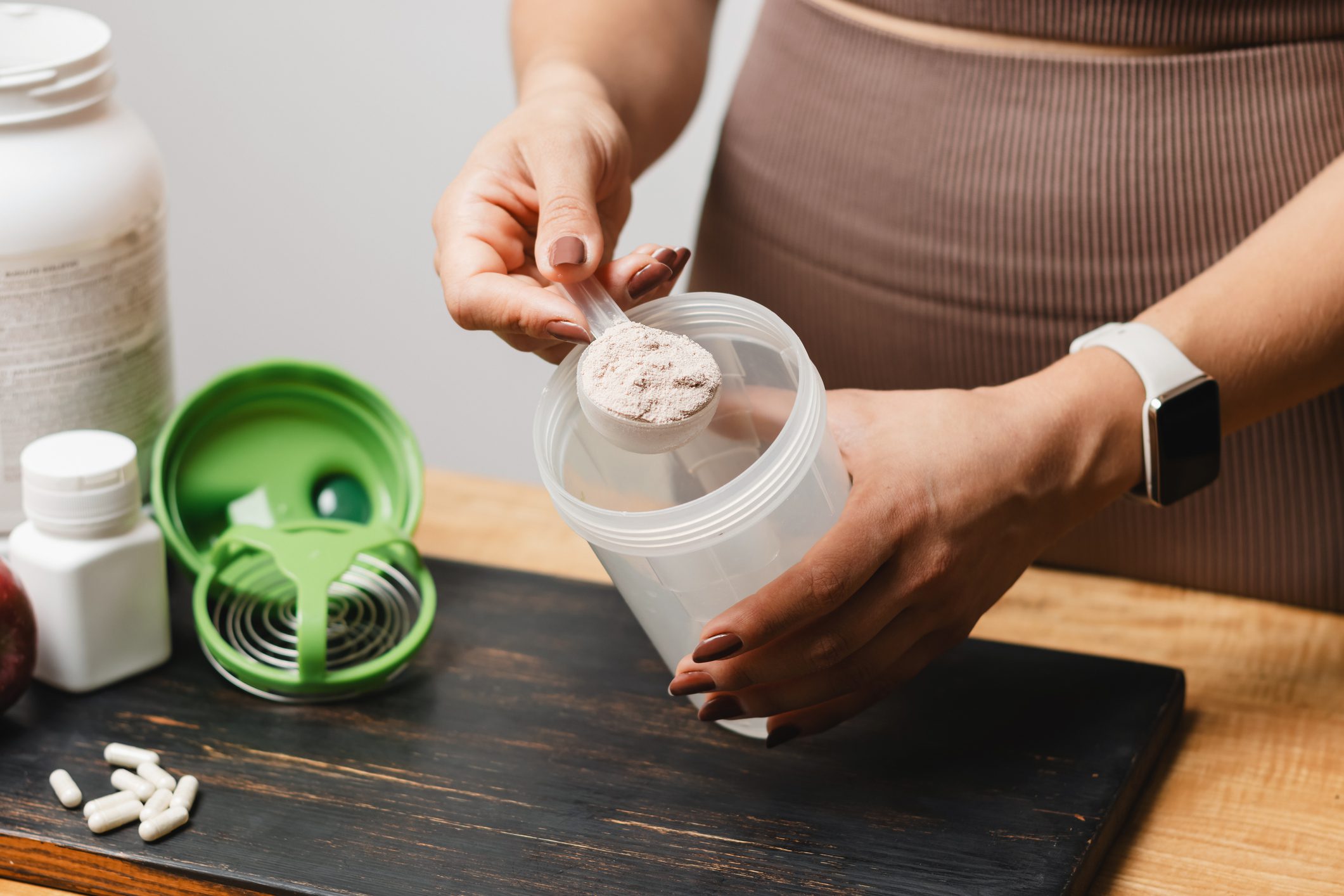
Have I convinced you that every meal should contain protein, whether or not you’re aiming for fast fat loss? Start your day with a VegaLite rice/ pea protein smoothie from Thorne Research. Load it with chia or flaxseeds, organic berries, and unsweetened coconut milk for a protein/ good fats/ fiber punch that will keep you full and focused all morning.

I want your lunch and dinner plate to look like this:

  • Lean protein – organic chicken, grass-fed beef, and wild salmon make smart choices

  • Leafy veggies – the more, the better. This is the one food I’m fine with you overeating

  • Starchy carbs – don’t fear carbs, but choose the right ones like lentils, quinoa, sweet potatoes, and beans

  • Good fats – guacamole, for instance, makes any dish more interesting. Or drizzle extra-virgin olive oil on top of your spinach salad

To get and sustain fast fat loss, I also want you to do burst training with the Xiser or with my 4 x 4 Workouts. (You can download a free one here: http://www.jjsfitclub.com/)

If you find you’re stalling at any point:

  • Try an elimination diet to determine food sensitivities. I’ve seen numerous people pull dairy and wheat (common food sensitivities) and the scale starts moving again

  • Swap lunch for another protein smoothie

Sources:

http://www.sciencedaily.com/releases/2012/01/120103165002.htm

Blom WA, et al. Effect of a high-protein breakfast on the postprandial ghrelin response. Am J Clin Nutr. 2006 Feb;83(2):211-20.

Paddon-Jones D, et al. Protein, weight management, and satiety. Am J Clin Nutr. 2008 May;87(5):1558S-1561S.

© 2011 JJ Virgin & Associates, Inc. Celebrity Nutrition & Fitness Expert JJ Virgin helps clients lose weight fast by breaking free from food allergies.  She is the bestselling author of Six Weeks to Sleeveless and Sexy, a Huffington Post blogger, creator of the 4X4 Burst Training Workout & co-star of TLC’s Freaky Eaters. Visit her at http://www.jjvirgin.com to take the quiz & find out if Your “Healthy” Habits are Making You Tired, Bloated & Age Faster? 

Calling All Freaky Eaters: We Want You

A producer for a well-known prime time television news magazine is looking for a few select people to be interviewed opposite me about their “freaky” eating habits.

You’ll remember from Freaky Eaters the woman who ate boxes and boxes of corn starch each week, the man who ate nothing but pizza for decades, and the man who was addicted to raw meat. If this sounds all too familiar, we want you.

If  you’re chosen to be on the show, a camera crew will document your odd eating habits in action and I will work with you personally to help you overcome your habits. We’ll look into why this problem may be symptomatic of something other than disordered eating, as well as look for ways in which this destructive behavior may be stopped.

I almost never work with clients one-on-one anymore, so this is a rare opportunity.

To submit yourself for consideration, please email jj@jjvirgin.com with your name, contact info, a recent picture, and a description of your crazy eating habits.

** Television moves fast so the deadline to contact us is this Friday, April 20. Please get in touch by then! **

Thanks for your help!


Home | Affiliates | Contact Us | Return Policy | Disclaimer/Terms Of Use

JJ Virgin is a paid consultant to Pathway Genomics, Thorne Research, Alacer Corp. and Pharmachem.

JJ media

close window
 
Enter Your Name:
Enter your Email:
 

close window